Time first
We ask when you are willing to cook, reheat, or only assemble, before we name ingredients. The answer changes by season and by job; the question stays the same.
Informational resource
Everything here is general information about how to think about meals when time is scarce. It is not medical advice, not a promise of results, and not a substitute for a professional who knows your health history. We write for people who want structure without a rigid script.
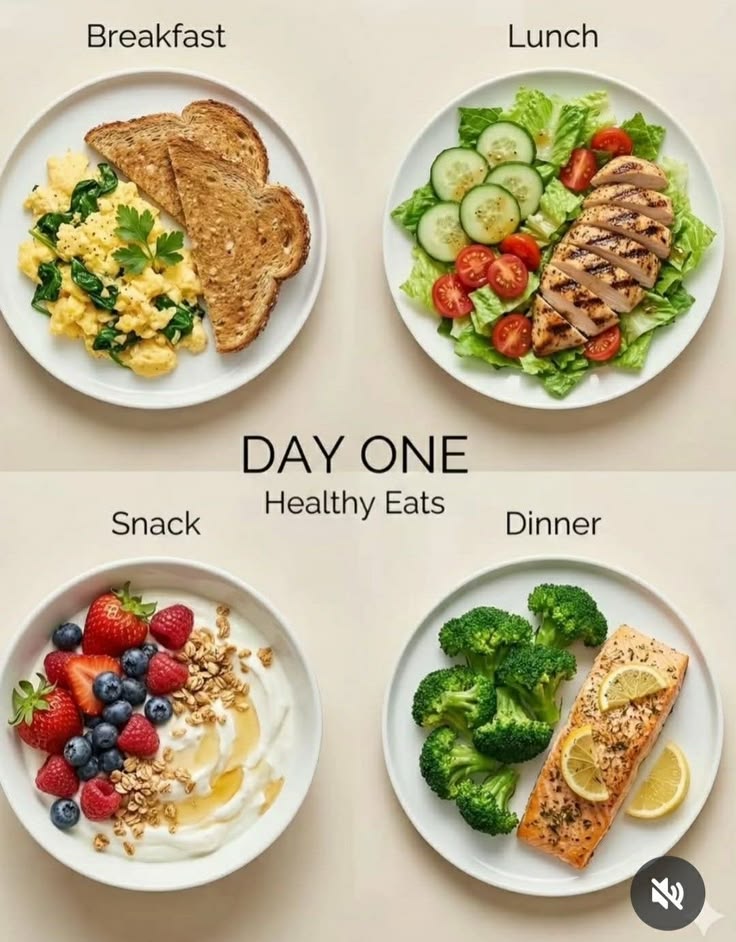
Start with one repeatable block, then add the next when it feels light.
Transparency (UK): Fryxarinprquazli publishes general information about food planning and time use. We operate from the United Kingdom; we are not a clinic, a regulated dietetic service, or an emergency line. We do not diagnose, treat, or promise health outcomes. If you arrived via an online advertisement, the same applies. For personalised medical or dietetic care, consult a professional registered in your country. Contact, Privacy, and Terms of Use explain how to reach us and what we do and do not offer.
Field guide
Most friction around food in busy weeks is not missing a recipe, it is missing a place on the clock for that recipe. These three pillars keep the order of decisions honest.
We ask when you are willing to cook, reheat, or only assemble, before we name ingredients. The answer changes by season and by job; the question stays the same.
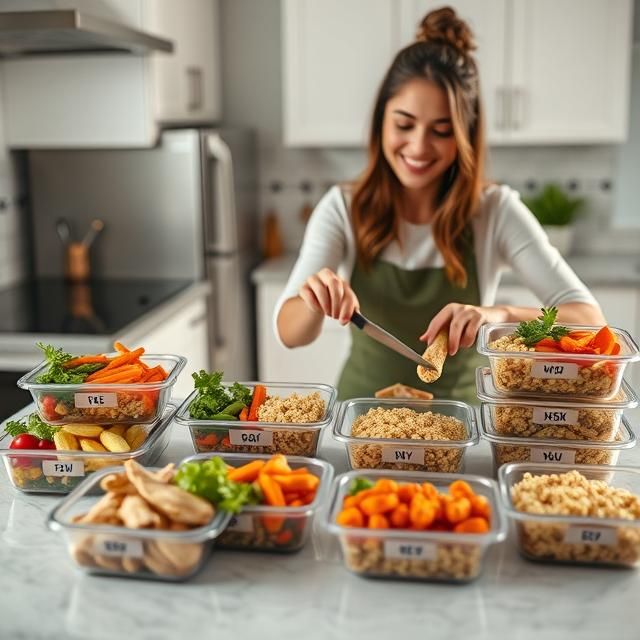
Portions and labels turn intent into follow-through. We treat the fridge and bag as part of the system, not an afterthought.
Fewer evening decisions, shorter lists, and a single weekly check-in. None of that replaces professional care; it simply lowers noise.
Fryxarinprquazli began as a set of internal notes for people who work long hours, share kitchens, or hand off care between two households. The writing stayed non-clinical on purpose. We talk about food preparation, storage, and rhythm because those are the levers you can still pull when a week goes sideways, without making medical claims about what will change in the body because you ate differently.
We sometimes describe programmes, short courses, or one-to-one calls. When we do, we describe the format and the kind of conversation you should expect, not a biological target. You stay responsible for food safety, allergies, and any advice from your own care team. Our role is to help you sketch a calmer week, not to replace theirs.
The site is hosted with HTTPS, with policies linked in the footer so you can read how we handle data and cookies. If something reads like a hard promise, consider it a mistake in tone, not a contract.
Most of our audience finds the meals page first. It walks a single path from blank calendar to a shelf of ready components. Simplicity inverts the order: it asks you to write down the hours you still trust yourself to cook, then works outward from that honesty.
We use examples from office rotas, school runs, and travel, because those patterns change what “simple” can mean. What links the examples is language that stays matter-of-fact, without pressure or fear.
Guides, checklists, and structured email can appear from time to time. They describe how we think about time and food, not a guarantee for any one reader. You can always ask in advance what a product contains before paying.
Meals
The same base can be warm at noon and cold in the evening, or paired with a different texture so the week does not feel like repetition. The trick is to note that on the label when you still remember why you made the batch in the first place.

Pace
On the Simplicity page we talk about shrinking the number of last-minute questions: what is allowed to be a snack, which drawer holds the fast option, and how short a “review” can be and still be worth doing.
“A sustainable pattern is the one you can still describe when you are already tired. We edit every page with that version of you in the room.”
These are the categories we use to describe what we can offer. Each stays informational; none replaces medical consultation.
Conversations and materials about rota, shopping order, and trying a two-week structure without over-explaining at home, where we offer that format.
Lifestyle and organisation support only. We are not a regulated medical or dietetic provider; we do not review lab results, prescribe, or change treatment.
Optional written templates with time blocks and “if-then” paths for travel, late trains, or shared-custody weeks, where a product is offered. You choose what to use.
This is not a medical or dietetic care plan, not a prescription for what you should eat, and not a guarantee of any outcome.
Short answers, no sales pitch. For anything personal, the contact form reaches a human in London; we are not a call centre, so patience on timing helps.
No. It is a public information resource. For dietetics aligned to your health, ask someone licensed in your country.
We do not promise a schedule for change. The articles focus on levers to try, not a countdown to an outcome in your body.
Correspondence: 233 Oxford St, London W1D 2LP, United Kingdom. Phone: +44 20 7629 1234.
We do not ask for health data. If you volunteer it, we will treat the message with care; see the Privacy Policy for how long we keep correspondence.
We read what you send, reply in clear English, and only add you to a list if you ask. No medical advice in email.